
 МИ ПРАЦЮЄМО ДЛЯ УКРАЇНИ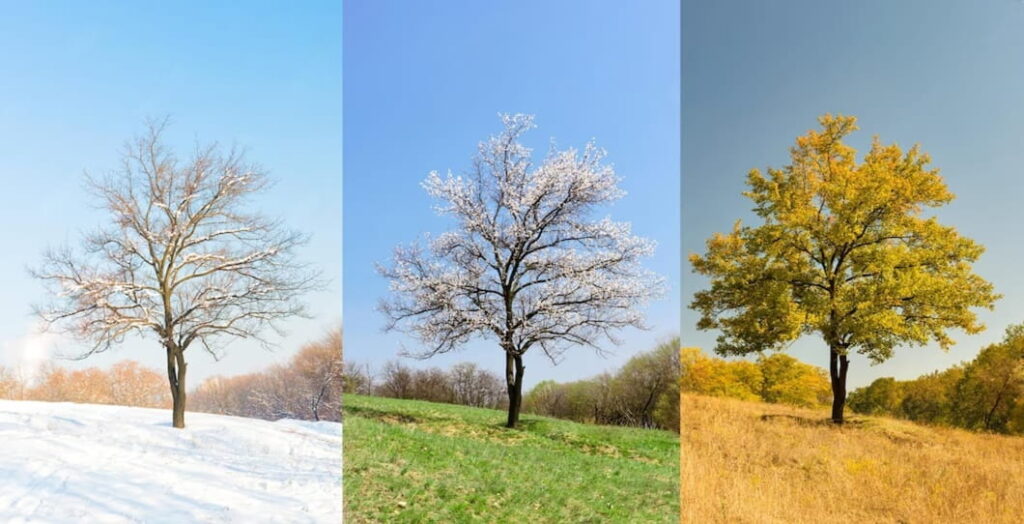
Table of Contents
- What is Seasonality: Understanding the Terms
- Types of Seasonality and Reasons for Its Occurrence
- Product Seasonality: From Ice Cream to Heaters
- Service Seasonality: Invisible Waves
- How Seasonal Demand Affects Finance and Marketing
- What Does Not Affect Demand?
- Off-Season Survival Strategies: Tips for Business
- Conclusion
What is Seasonality: Understanding the Terms
To put it simply, seasonality refers to cyclical fluctuations in demand or sales volumes that repeat year after year during specific periods. These fluctuations are tied to calendar time, weather conditions, cultural traditions, or legislative cycles.
Seasonality in business should not be confused with random sales spikes due to a successful ad campaign or economic crises. The main characteristic of seasonality is its regularity. You know for certain that in December, demand for artificial Christmas trees will rise, while in July, it will be practically zero.
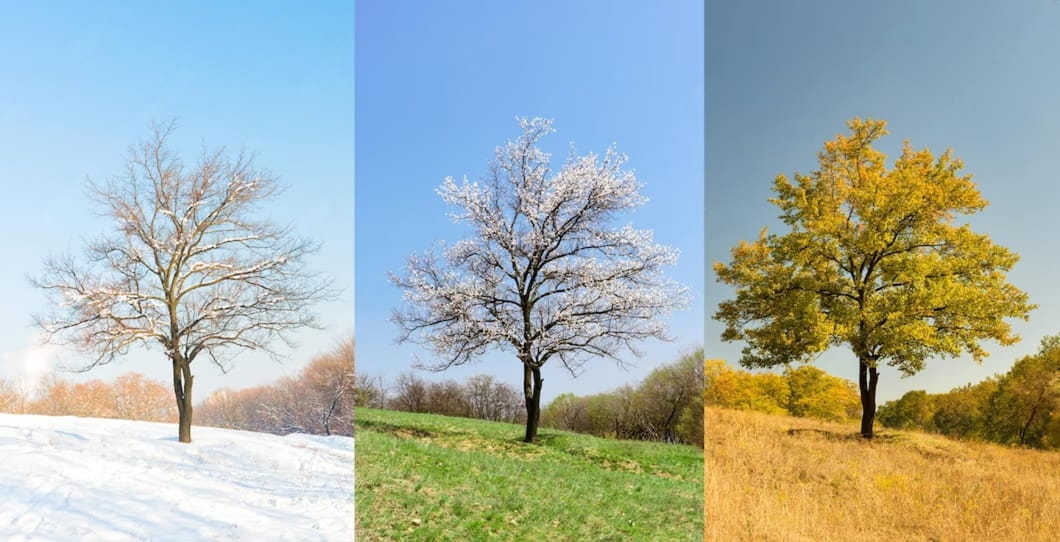
Types of Seasonality and Reasons for Its Occurrence
Understanding where seasonal demand comes from helps entrepreneurs prepare for changes in advance. Several main types can be identified:
- Weather (Climatic): The most obvious form. Changes in air temperature directly dictate what we buy — down jackets or sunscreen.
- Event-based and Holiday: New Year, Valentine’s Day, back-to-school season. These dates create short-term but extremely intense peaks.
- Budgetary: Typical for the B2B segment and government procurement. Many companies “close” budgets at the end of the year, which triggers a surge in activity in November-December.
- Social: Summer vacation periods or school breaks significantly change consumption patterns.
Product Seasonality: From Ice Cream to Heaters
Product seasonality is usually classified by the degree of demand fluctuation:
- Hard Seasonality: Products needed only during a very narrow window of time. For example, Christmas decorations or Easter decor. Selling them out of season is almost impossible, even with massive discounts.
- Sharp Seasonality: Fluctuations are significant, but the product is still bought in small quantities throughout the year. This includes outerwear, footwear, and gardening tools.
- Moderate Seasonality: Demand changes by 10-20%. This applies to food products (people eat less meat and more vegetables in summer), hygiene products, and certain types of cosmetics.
Seasonal demand products require a special approach to warehouse logistics. If you stock your warehouse with swim fins in November, your money will be “frozen” at least until May.

Service Seasonality: Invisible Waves
It is often mistakenly believed that seasonality only affects physical goods. However, service seasonality can be even more acute.
- Tourism: The classic example. Beach resorts in winter and ski resorts in summer deal with a “dead season.”
- Construction and Renovation: Although modern technologies allow working in the cold, most people prefer to start home renovations or construction in spring or summer.
- Education: Language courses, tutoring, and professional training peak in September-October and January-February, while July is usually a quiet month.
- Fitness Industry: The famous “pre-summer” effect, when gyms overflow in March-April before the vacation season.
How Seasonal Demand Affects Finance and Marketing
The main risk posed by seasonal sales is a cash flow gap. When expenses for rent, salaries, and taxes remain stable while income drops sharply, a business finds itself at risk.
Seasonality in business forces a change in marketing strategy. During peak periods, the marketing goal is to maximize profit and manage the influx of customers. During down periods, the goal is to stimulate any sales possible to cover operational costs.
Seasonal sales are always a game of anticipation. Advertising campaigns are usually launched weeks or months before the peak to build up deferred demand.

What Does Not Affect Demand?
It is important to understand the limits of this phenomenon. Demand is not affected by seasonality in categories of essential goods with a short consumption cycle. Bread, milk, medicines (general use), dish soap, or toilet paper are needed by people daily, regardless of the weather outside or the date on the calendar. Although small fluctuations are possible here (e.g., people buy more food before major holidays), the overall trend remains steady.
Off-Season Survival Strategies: Tips for Business
To minimize the negative impact when demand for goods and services drops, businesses should consider several tactics:
- Product Mix Diversification: A classic example is selling ice cream in summer and hot drinks and pastries in winter at the same location. Bicycle shops often pivot to ski and snowboard sales and service in winter.
- Promotions and Pre-sales: Encourage customers to buy in advance. A discount on air conditioner installation in February allows the company to keep installers busy during the downtime.
- Loyalty Management: The off-season is the perfect time for personalized offers to regular customers. You can offer them exclusive terms that you didn’t have time for during the peak period.
- Cost Optimization: Moving some staff to a flexible schedule or utilizing outsourcing for peak periods helps avoid bloated payroll during times of low demand.

Conclusion
Seasonality is not a death sentence for business but an objective market reality. Companies that have learned to understand their client’s needs schedule use down periods for internal development, staff training, and preparation for new peaks. The main thing is to remember that after every “dead season,” a time of active sales inevitably follows, and the winner is the one who met it fully prepared.



comments