
 МИ ПРАЦЮЄМО ДЛЯ УКРАЇНИ
Table of Contents
What is Web Analytics and Its Role in Optimization
Web analytics is a continuous cycle of collecting, measuring, analyzing, and interpreting data. It allows you to understand not just the number of people on a page, but also their intentions, barriers, and incentives. This is the key to improving user experience (UX) and increasing marketing effectiveness. Website analytics is a tool that helps identify weak points in content or technical errors that hinder conversion.

Who is a Web Analyst?
This is a specialist who acts as a bridge between technical data and business goals. A web analyst is someone who doesn’t just know where to look at website visit statistics but knows how to build complex attribution models. Their task is to transform dry figures into clear recommendations that will help increase profit and optimize promotion costs.
Types of Web Analytics: From Simple to Complex
Depending on business goals, several levels of data analysis are identified:
- Classic Analytics. Focused on internal site metrics: visits, session duration, depth of view. This is the base that explains how to view site traffic statistics.
- End-to-End Analytics. Integrates data from advertising cabinets, call tracking, and CRM systems. Only this approach provides an honest answer to how many sales on the site actually generated profit.
- Business Intelligence (BI) Systems. Using tools like Power BI or Looker Studio to visualize data from various sources into single interactive dashboards.

Key Web Analytics Metrics and KPIs
Quality website web analytics operates with indicators that directly affect revenue:
- Conversion Rate (CR): The percentage of visitors who completed a target action (purchase, subscription).
- Bounce Rate: The percentage of people who left the site after viewing only one page.
- Average Order Value (AOV): The average customer transaction amount.
- ROI/ROAS: Return on investment/ad spend indicators.
- LTV (Lifetime Value): Total profit a single customer brings over the entire period of cooperation.
Tools for Traffic Analysis
For effective data collection, specialists use an entire ecosystem of services:
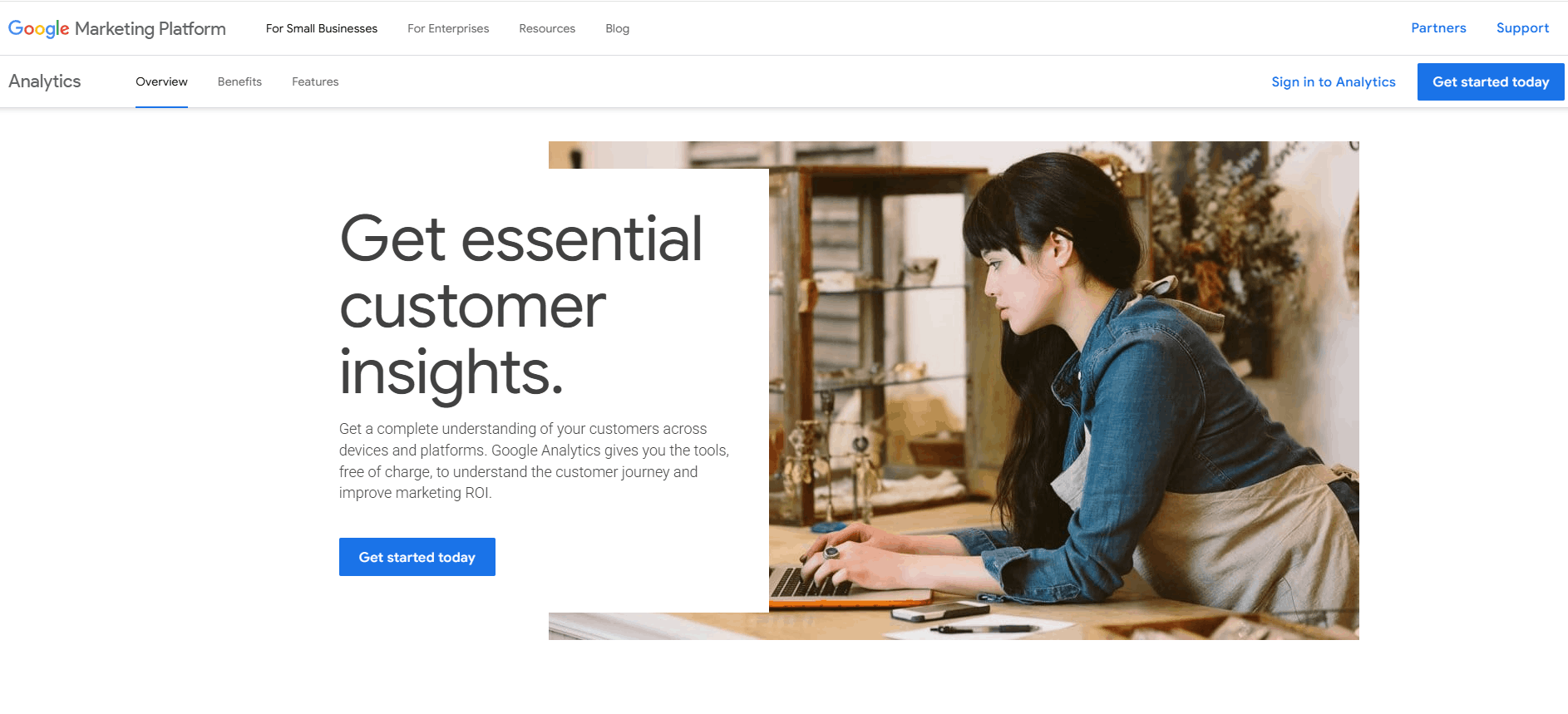
1. Google Analytics 4 (GA4). The primary tool that allows you to view the number of site visits and every minor user interaction with the interface.
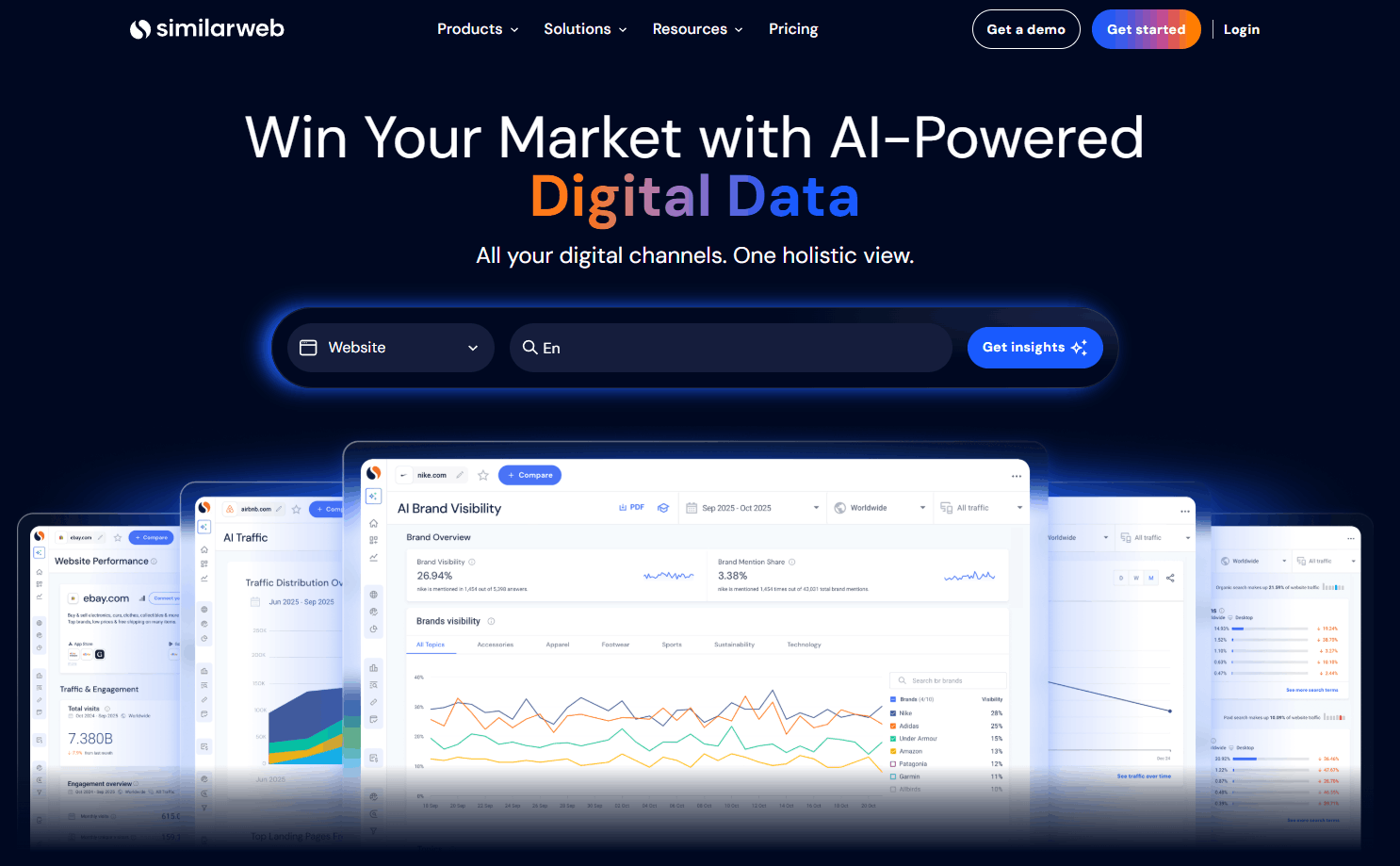
2. SimilarWeb. Helps conduct competitive analysis and find out the traffic of competitor sites.
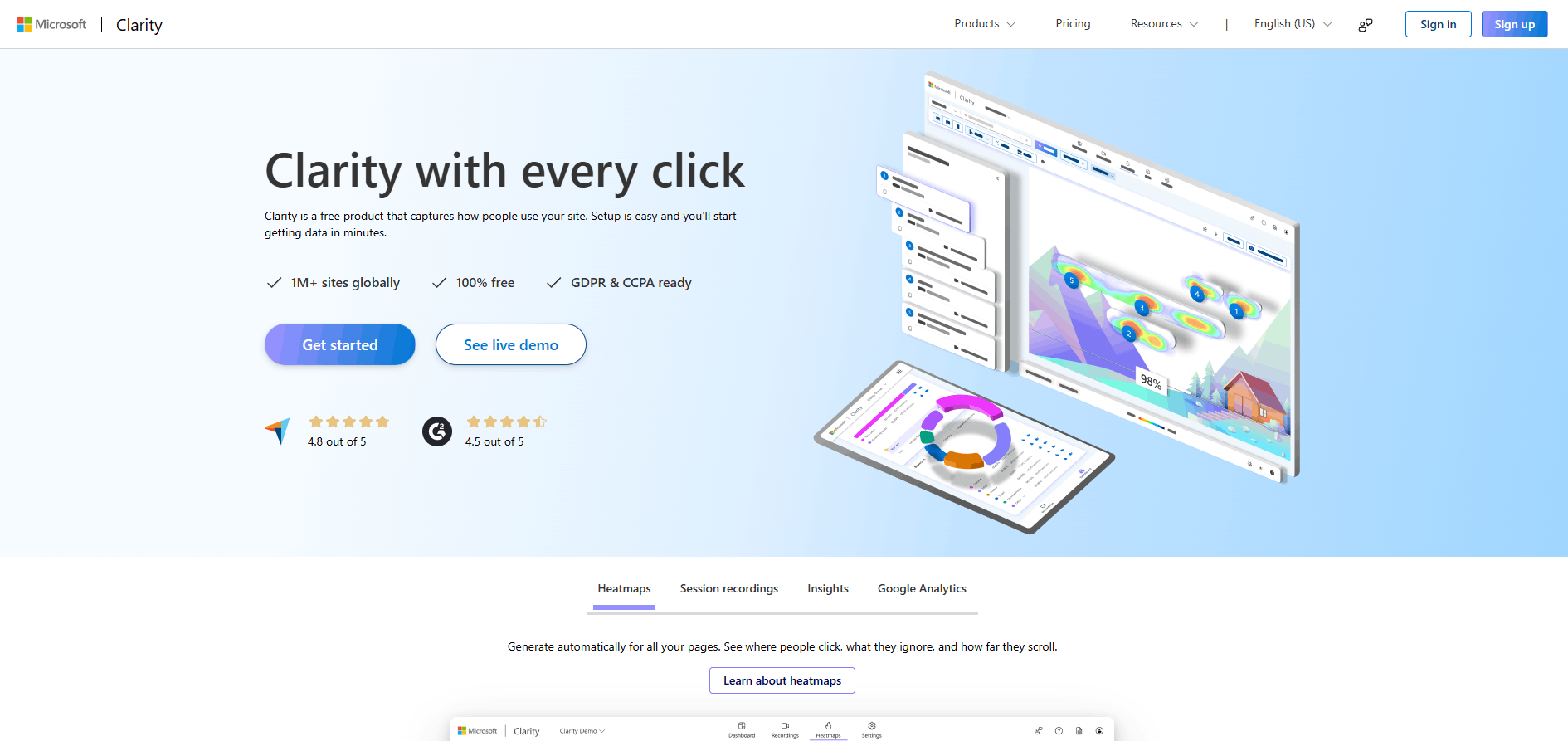
3. Hotjar and Microsoft Clarity. Used for visual analysis: heatmaps of clicks and session recordings help understand user behavior “live.”
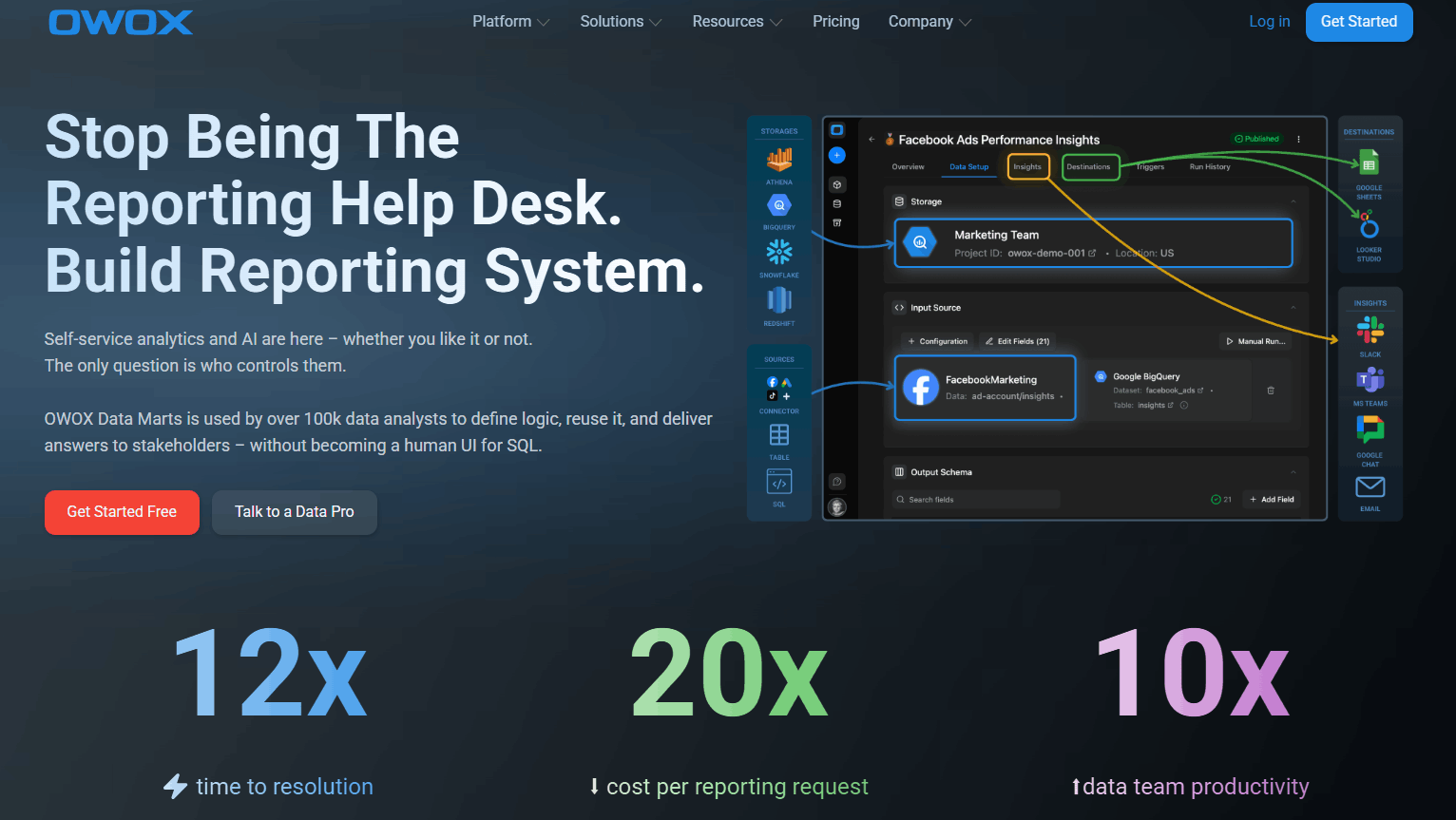
4. OWOX BI. Professional solutions for automating end-to-end analytics and importing costs from various advertising cabinets.
Stages of Working with Data
The process of implementing analytics includes several stages:
- Data Collection. Installing tracking codes on all pages of the resource.
- Goal (Conversion) Setup. Defining which user actions are valuable for the business.
- Data Integration. Integration with CRM and other internal company systems.
- Visualization and Hypotheses. Creating reports used to form hypotheses for A/B testing.
It is important to understand that data has no retrospective effect. If you haven’t set up goal tracking today, you will never be able to find out the reasons for low performance over the past month. Knowledge of how to view your site’s traffic becomes useless if the data is incorrect or incomplete.
Summary
Web analytics turns a website from a budget expense into a predictable tool for generating profit. It allows for decision-making based on numbers rather than assumptions. Correct configuration of complex funnel reports, transmission of e-commerce data, and building end-to-end analytics require specific technical skills. Any error in settings will lead to the accumulation of false statistics, making further marketing ineffective.
If you need professional construction of an analytics system or an audit of existing settings — contact the Outsourcing Team digital marketing agency. Specialists will help set up a transparent reporting system that will become the foundation for your business growth.



comments