
 МИ ПРАЦЮЄМО ДЛЯ УКРАЇНИ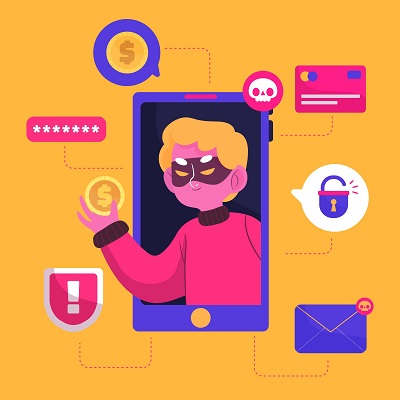
Who and what is behind hacking?
In the world of modern technology, social media hacking is becoming an increasingly hot topic. Cybercriminals are finding new ways to hack into personal accounts, wreaking havoc on millions of users around the world. They use a variety of methods, from phishing attacks to more sophisticated social engineering techniques, to gain access to personal information. The purpose of such hacks can vary:
- Financial gain: Cybercriminals may use stolen data for fraud, extortion, or sale on the dark market.
- Blackmail: Attackers can obtain compromising information about users and use it for blackmail.
- Political Motives: Hacks may be aimed at destabilizing society, manipulating elections, or spreading propaganda.
- Competition: Rival companies may hack into social media to gain competitive intelligence or discredit.
- Vandalism: Some people just want to cause damage or commit an act of revenge.
- Chaotic Neutrality: Some hackers hack into systems just for fun or to demonstrate their skills.

The main perpetrators of hacks are not only individual hackers, but also organized groups working on commission. These groups may have a financial interest in trying to make money from selling stolen data or demanding ransom payments to regain access to accounts. They may also be hired to conduct targeted attacks against companies or individuals to blackmail or gather sensitive information.
How to create and store passwords
Creating and storing strong passwords is one of the most important aspects of cybersecurity. Here are some tips to help you protect your social media accounts:
Creating strong passwords
- Length: The password should be longer than 12 characters. The longer the password, the harder it is to crack.
- Complexity: Combine capital and small letters, numbers, and special characters (e.g. !@#$%^^^&*). Avoid using sequential characters (e.g. qwerty) or easily guessed words (names, birthdates).
- Uniqueness: Each of your accounts should have a unique password. Do not use the same password for different sites.
- Password manager: Use a password manager to generate and store complex passwords. Programs like 1Password, LastPass, or key ring in your operating system can help you manage a large number of passwords.
Storing passwords
- Never write down passwords on paper or in easily accessible files.
- Avoid using the “Remember Password” feature in your browser. It may be convenient, but if your device is hacked, attackers will have access to your passwords.
- Enable two-factor authentication (2FA). This additional security measure requires you to enter an additional code that is sent to your phone or email in addition to your password.
- Change your passwords regularly. This is especially true for passwords that may have been compromised due to data breaches.
Two-factor authentication: an additional layer of protection
Two-factor authentication (2FA) has become an indispensable tool for protecting personal data in the digital age. With cyberattacks on the rise, protecting social media accounts has become critical. Two-factor authentication adds an extra layer of security by requiring not only a password, but also confirmation via a second factor, such as a code from an SMS or special app. This makes it much harder for unauthorized access to your account even if your password is compromised.
Social networks are particularly vulnerable to attack because they contain a significant amount of users’ personal information. Photos, messages, personal data – all of this can be used by attackers for blackmail, identity theft, or other criminal activities. Using two-factor authentication significantly reduces the risk of such threats. For example, even if your password is stolen, an attacker will not be able to access your account without a second authentication factor.
How to avoid phishing
Phishing on social media is becoming increasingly common, and the consequences can be extremely unpleasant. Criminals use a variety of methods to obtain sensitive information such as passwords, credit card numbers or personal details. To avoid phishing, it is important to be cautious and alert to any suspicious messages, links or requests for personal information. Never open questionable links or provide your information on unverified websites.
The second important step is to use two-factor authentication. This method greatly increases the security of your accounts by requiring an additional confirmation code that is usually sent to your phone. This ensures that even if your password is stolen, attackers won’t be able to access your account. You should also change your passwords regularly and avoid using the same password for different services.

Finally, it’s important to stay up to date with the latest online safety news and tips. Often phishing attacks can be disguised as legitimate messages from friends or acquaintances, so always verify information before reacting. Remember that your awareness and attentiveness is your best defense against internet scammers. Use antivirus software and browser extensions to help you recognize phishing sites.
Conclusion
Protecting social media from hacking is not just a matter of personal security, but an important aspect of maintaining your privacy and reputation in the digital world. By using strong passwords, two-factor authentication, and being mindful of your privacy settings, you will significantly reduce the risk of unauthorized access. Remember that your caution and awareness are the first steps to staying safe online. Also, don’t forget about regular updates: programs and platforms are constantly improving.



comments