
 МИ ПРАЦЮЄМО ДЛЯ УКРАЇНИ
Table of Contents
In this article, we will analyze in detail the difference between Facebook Ads and Google Ads, look at their features, and find out when Facebook is better and when Google is indispensable.
1. Google Ads: Existing Demand
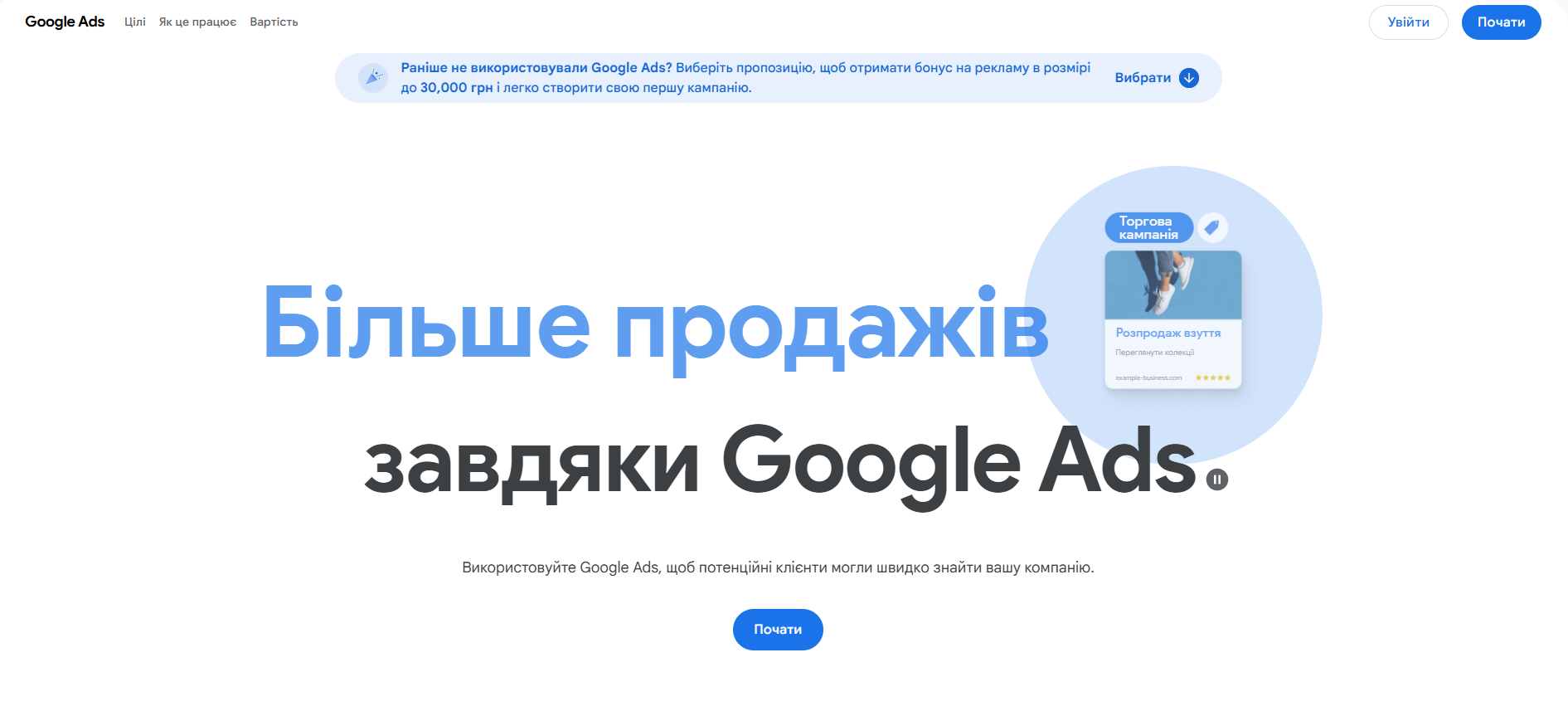
The specific nature of Google Ads is that this platform is focused on satisfying “hot” demand. When a user types “buy sneakers London” or “attorney services” into the search bar, they already have a formed intent.
Advantages of Google Ads:
- High Conversion Rate: You show ads to people who are actively looking for your product here and now.
- Immense Reach: Google processes billions of queries every day. Besides Search, there is the Google Display Network (GDN) and YouTube.
- Precision of Intent: You pay for a click from a person who is already ready to make a purchase.
When to Choose Google?
If your product is a necessity, an emergency service (towing, plumbing repair), or a popular item with a high volume of search queries — Google Ads will be maximally effective.
2. Facebook Ads: Creating Demand and Visual Impact
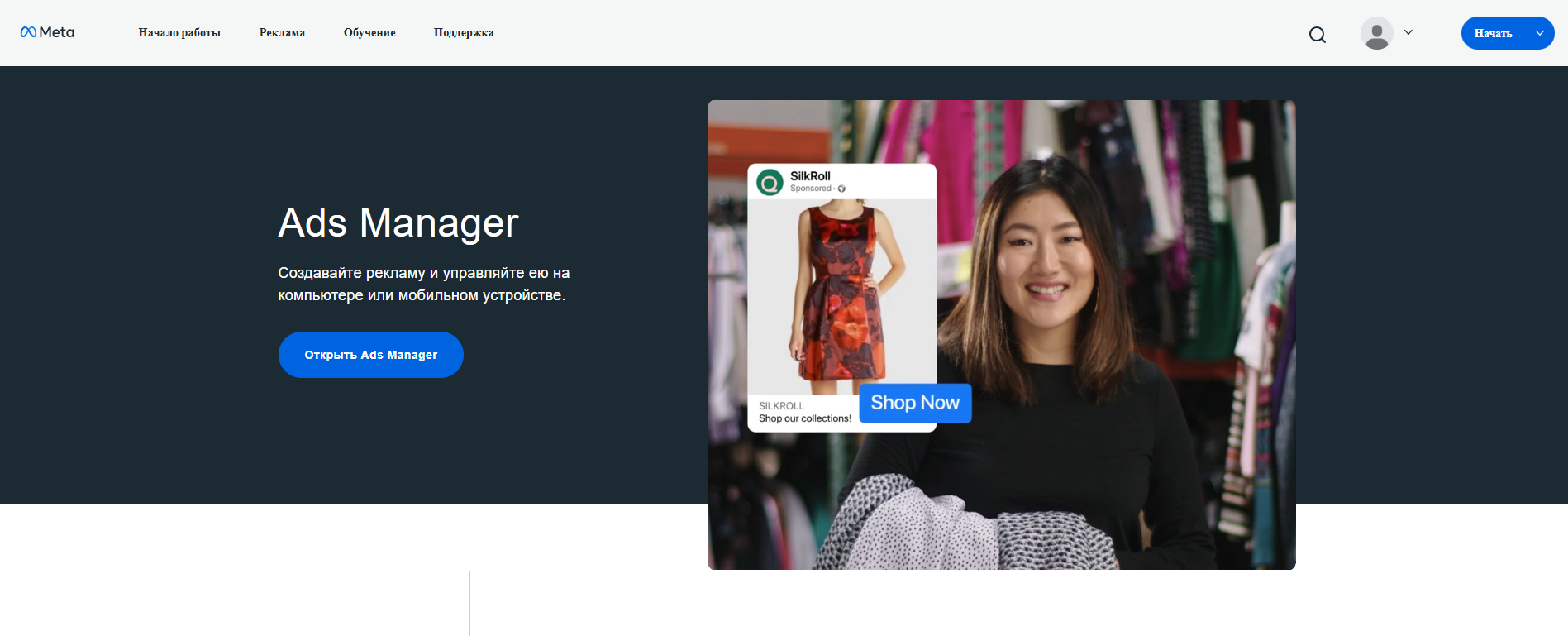
Comparing Facebook or Google, it’s important to understand that Facebook (along with Instagram) is about interests and lifestyle. Users visit social networks for entertainment, not for shopping. Therefore, Facebook Ads features are based on a deep knowledge of people’s demographics, preferences, and behavior.
Advantages of Facebook Ads:
- Interest-Based Targeting: You can target “moms of children aged 3-5 who are interested in yoga and healthy eating.”
- Visual Appeal: Video, carousel, and story formats allow you to make the user “fall in love” with your product.
- Lower Cost Per Click: Typically, a click on Facebook is cheaper than in a competitive Google search.
Is Facebook Advertising Effective?
Yes, it is incredibly effective for emotional purchases, new brands that no one knows about yet, and products with a long decision-making cycle where you need to gradually “warm up” the audience with content.
3. Key Differences Between Facebook Ads and Google Ads
To finally decide which is better, look at this comparison table:
| Feature | Google Ads | Facebook Ads |
| Operating Principle | Reaction to request (demand) | Offer based on interests |
| User Intent | High (wants to buy now) | Low (relaxing/scrolling feed) |
| Content Type | Mostly text, product cards | Visual: photos, videos, creatives |
| Targeting | Keywords, Geolocation | Interests, behavior, Look-alike |
| Best For… | Direct sales, services | Branding, emotional products |
4. Which One Should You Choose?
The Facebook vs. Google question shouldn’t be an either-or. The ideal strategy is the synergy of both channels. However, if your budget is limited, use the following tips:
- Choose Google Ads if:
- Your product is searched for by specific names.
- You need sales “as of yesterday.”
- You operate in B2B or complex niches (law, real estate).
- Choose Facebook Ads if:
- Your product is visually appealing (clothing, decor, cosmetics).
- You are launching a new product that people aren’t searching for on Google yet.
- You want to build a community around your brand.
- You have a limited starting budget (Facebook makes it easier to start with small amounts).
5. Summary: Google Ads and Facebook Ads
Today, the line between these giants is blurring. Google is actively developing Performance Max, using algorithms similar to social networks, while Facebook is improving tools for direct sales via Shops.
Will Facebook advertising remain effective in the future? Undoubtedly, if you invest in high-quality video content. Does Google remain the king of sales? Yes, because there is nothing more powerful than a person actively searching for a solution to their problem.
Instead of looking for why Facebook is better than Google, try testing both channels. It often happens that a user sees your ad on Facebook (awareness) and then googles your name and clicks on your Google Ads listing (purchase).



comments