МИ ПРАЦЮЄМО ДЛЯ УКРАЇНИ
 Input data
 Progress of work
1. Identifying Critical Limitations
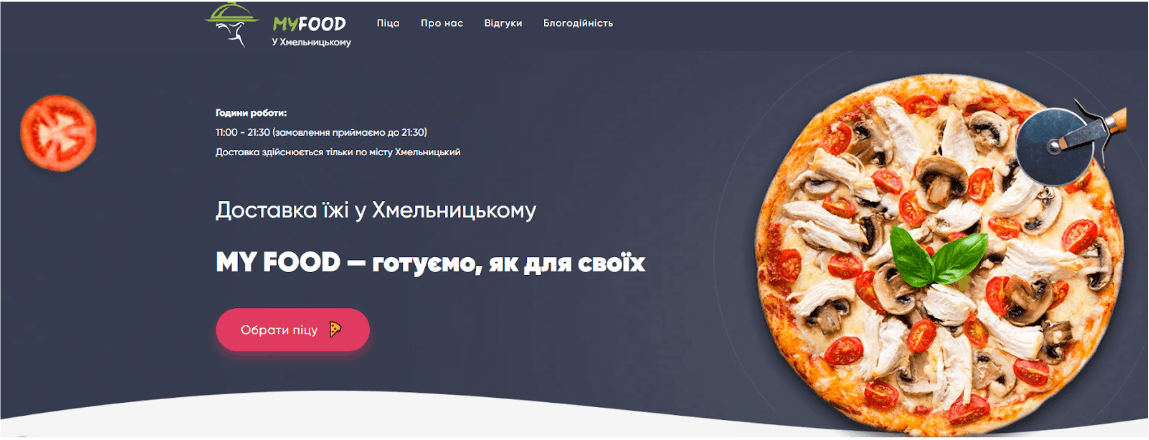
The Myfood project began on Tilda, which was a justified decision at the launch stage. However, as the customer base grew and business processes became more complex, the website builder started creating artificial obstacles:
- System Closedness: Tilda is like a “rented” apartment. You cannot change the internal algorithms of the shopping cart or add complex logical connections between an order and the kitchen.
- Scalability Challenges: Every new idea from the owner hit a technical wall of “this cannot be implemented with standard blocks.”
- Dependency on Third-Party Services: To add elementary functions, a multitude of external scripts had to be connected, which slowed down the site and made it unstable.

2. Choosing WordPress as a Strategic Solution
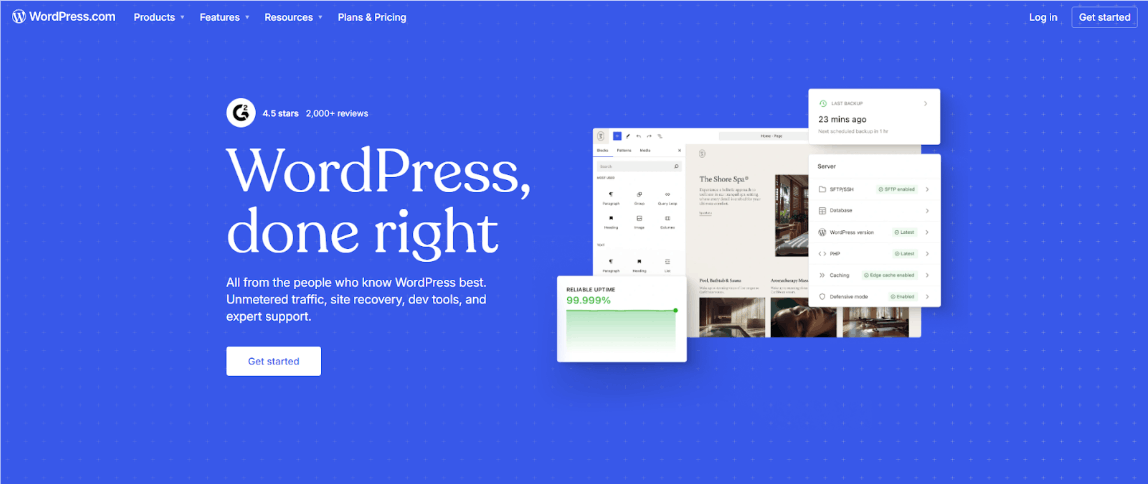
Our choice of WordPress was not accidental. It is an open-source platform where we are the full masters of the system.
- Advantages of WordPress over Tilda: Full ownership of data, unlimited SEO opportunities, flexible management of the customer database, and the ability to integrate any payment or logistics system without restrictions.
3. Reorganizing the Order System for Delivery Services
The most critical stage of the work was reimagining how an order moves from the website to the courier. In the healthy food niche, the website is not just a storefront—it is a delivery control panel.
- Synchronization with Schedules: We migrated the site so that orders are formed considering the specific schedule of the delivery service.
- Order Customization Flexibility: Unlike Tilda, where the order form is standard, on WordPress we were able to adapt every step of the checkout process to the actual needs of Myfood’s logistics team. This allowed for automatic data transfer in a format convenient for the delivery service.
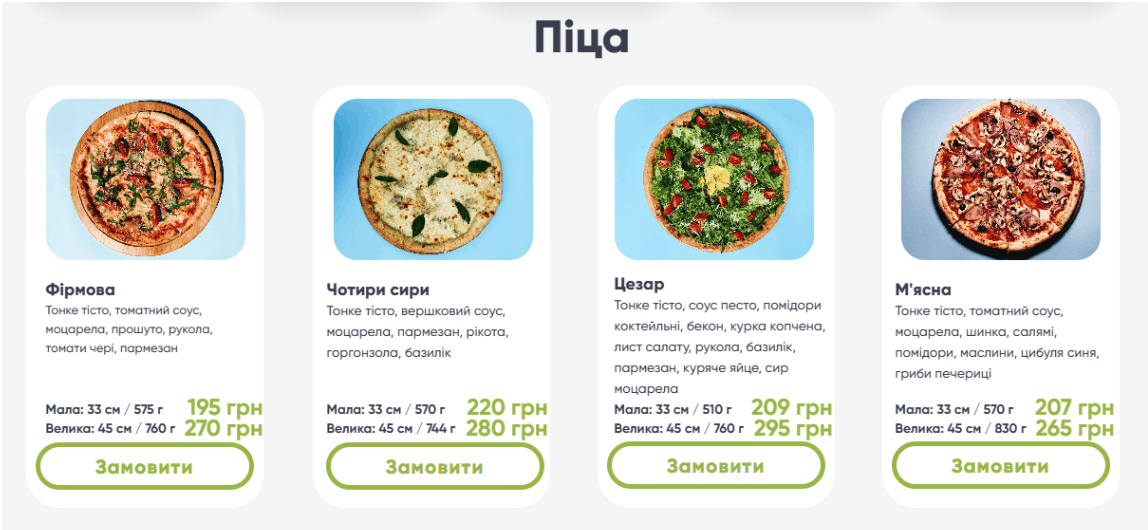
Before
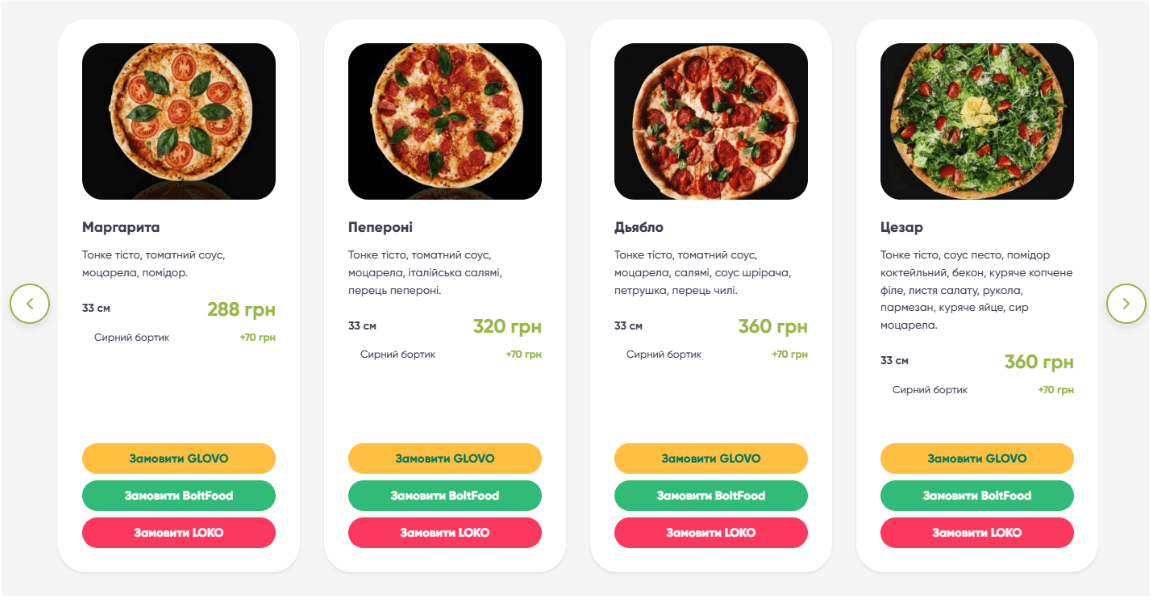
After
 The result obtained