МИ ПРАЦЮЄМО ДЛЯ УКРАЇНИ
 Input data
 Progress of work
The campaigns were already live — now the daily routine began. Google Ads isn’t a “set it and forget it” button. It’s an ongoing process: you analyze data, figure out what works, cut out what’s draining the budget into nowhere, and scale up what drives results.
Monitoring user behavior on the website
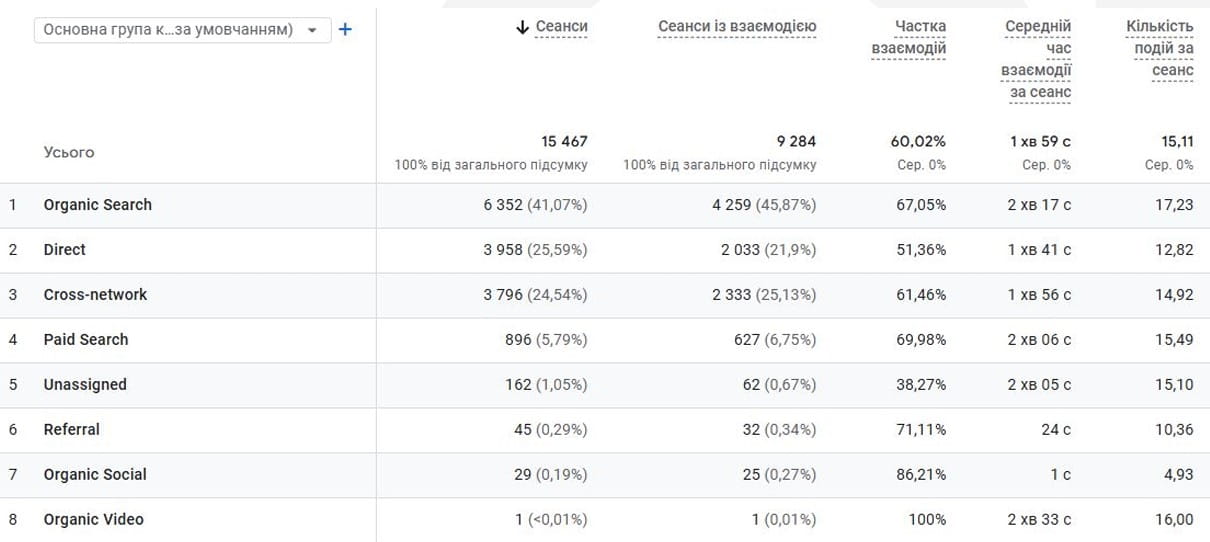
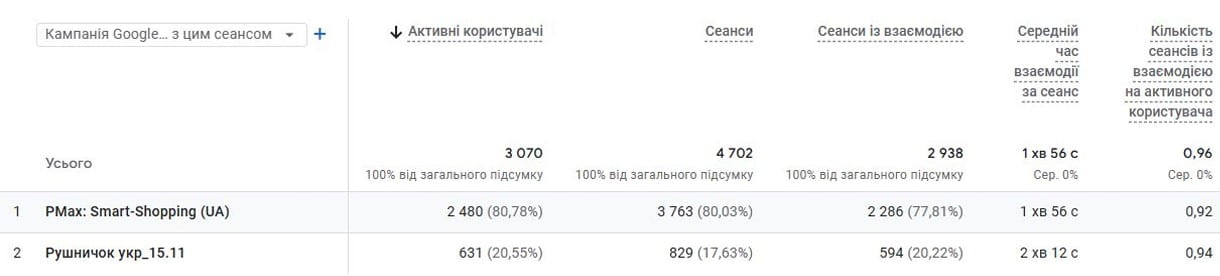
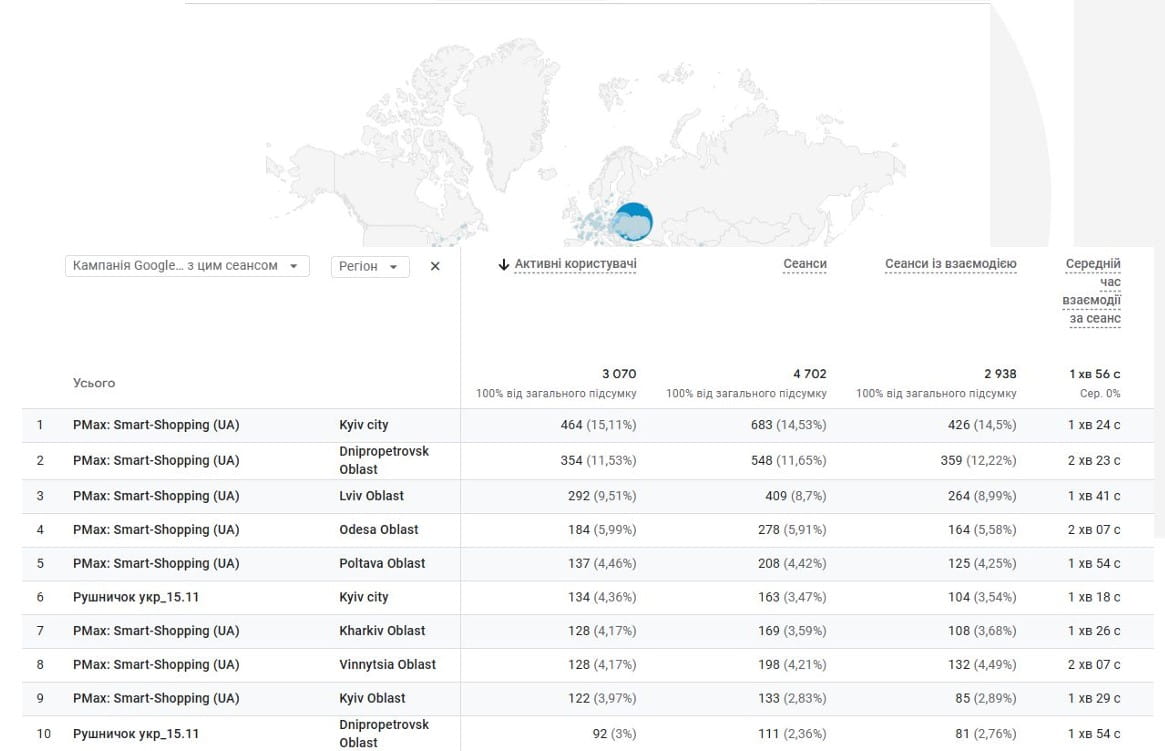
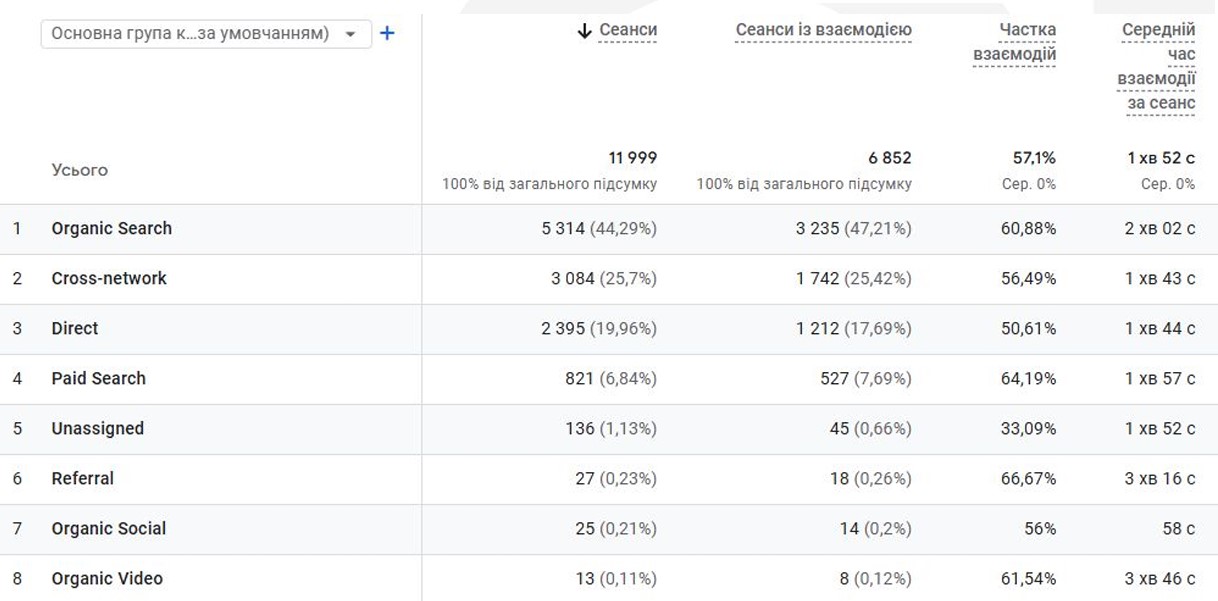
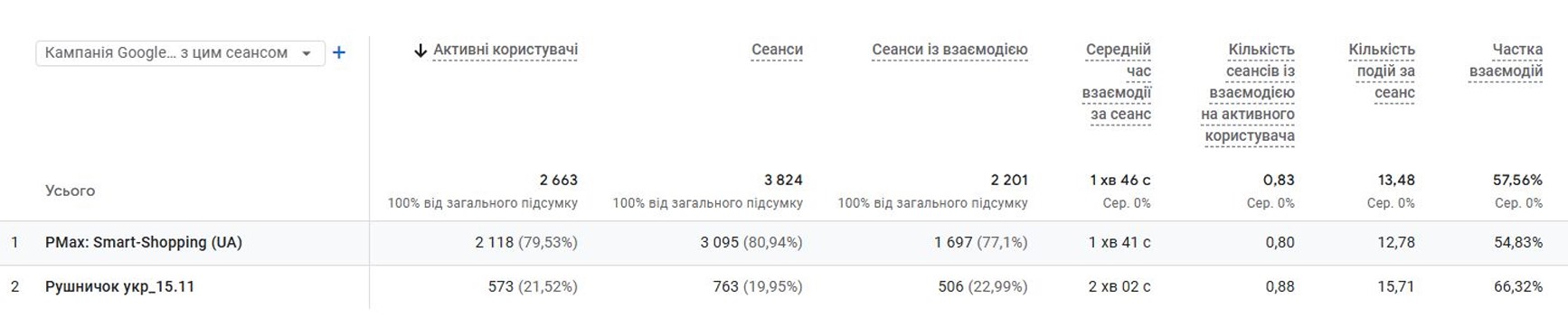
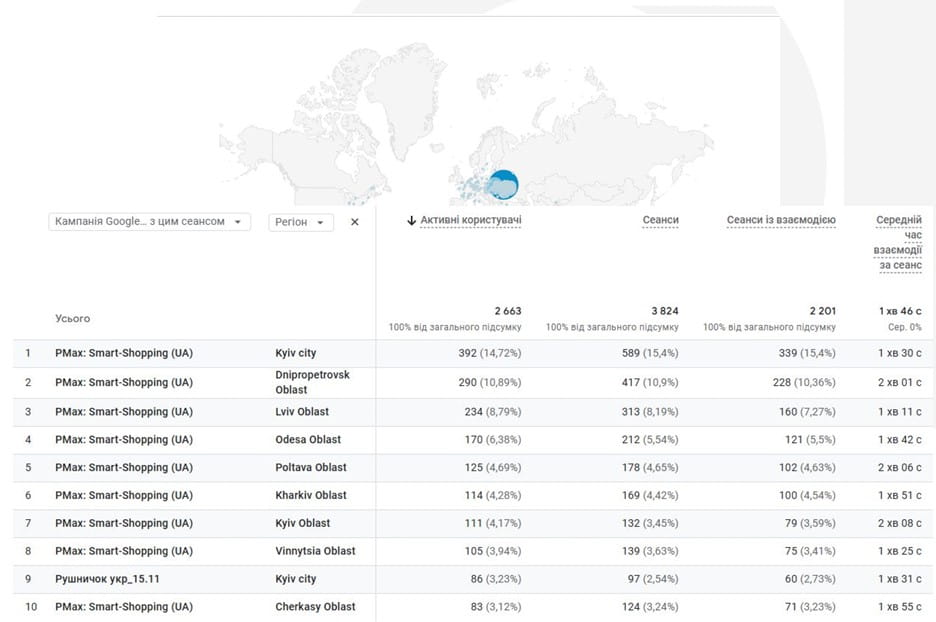
Every user coming from an ad left a digital footprint: how much time they spent on the site, which pages they viewed, and whether they made it to the checkout page. The average time on site was around two minutes. That might not sound like much, but for an online store, it’s a great sign: a person didn’t just open and close the page, they were actually looking at the product.
Another interesting point: a buyer often visits the site multiple times before making a purchase. This is especially true for wholesale clients — they need to calculate, coordinate, and decide. That’s why we didn’t draw conclusions about ad effectiveness based solely on the first visit.
Continuously optimizing campaigns
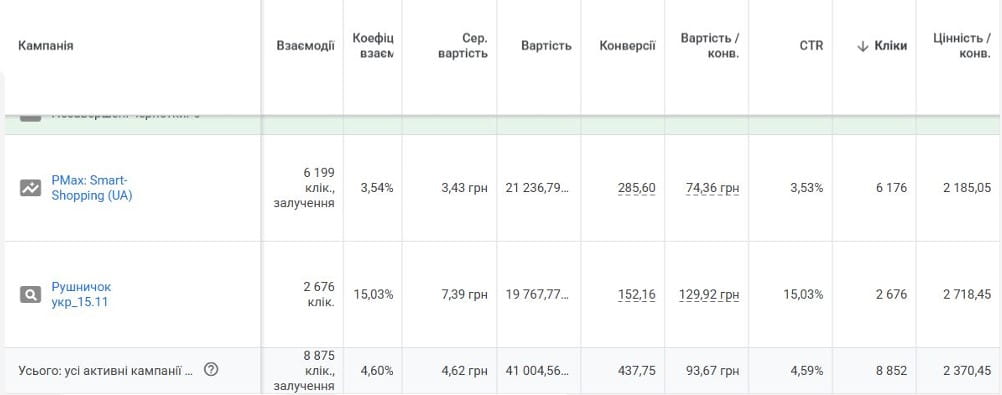
Every week, we reviewed which keywords were actually bringing in buyers and which ones were just wasting money. Ads that didn’t deliver results were replaced. The budget was reallocated to where the returns were. It’s routine but critical work — without it, advertising quickly starts to “eat up” cash for nothing.
Tracking every sale driven by ads
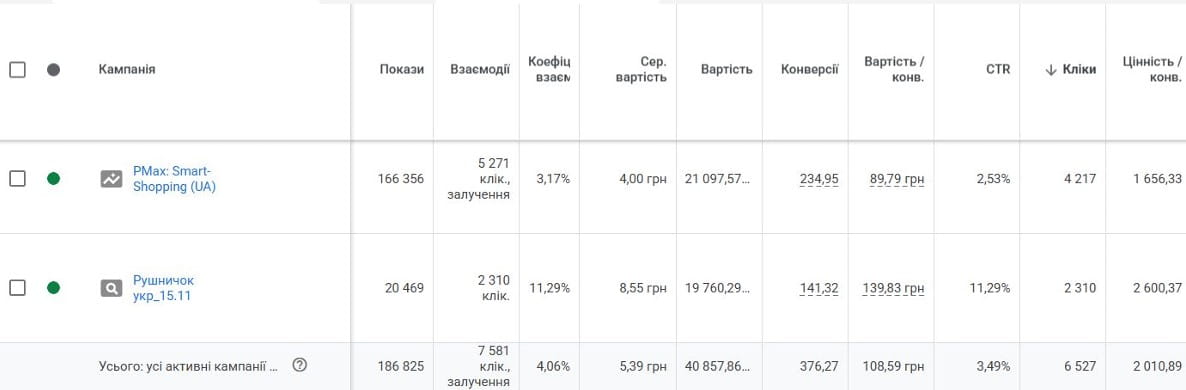
We set up tracking so that every purchase on the website was tied to a specific ad campaign. This allowed us to clearly see: this particular campaign generated this many orders for this specific amount. No guesswork — just facts. It was based on this data that decisions for further strategy were made.
 Obtained result