МИ ПРАЦЮЄМО ДЛЯ УКРАЇНИ
 Input data
 Progress of work
At the initial stage of promotion (Stage 1), the communication strategy was primarily focused on presenting the product and its characteristics: high-quality static photo content featuring dishes, detailed descriptions of ingredients, calculation of calories/proteins/fats/carbs (CPFC), and explaining the benefits of healthy eating. This allowed for building a foundation of trust in the product as “healthy” and “reliable,” but it had little impact on emotional engagement and rapid sales growth.
The Problem and Need for Transformation
Despite the high quality of the product, the content in Stage 1 had the following drawbacks:
- Low Engagement Rate: Static posts focused solely on information received a limited number of likes, comments, and saves.
- Lack of a “Live” Connection: Consumers lacked visual confirmation of the manufacturing process, raising doubts about the “homemade” quality and freshness that the brand declared.
- Difficulty Conveying Taste and Emotion: Simple photos could not fully convey the appetizing look, the pleasure of eating, and genuine feedback.
Previous post appearance:
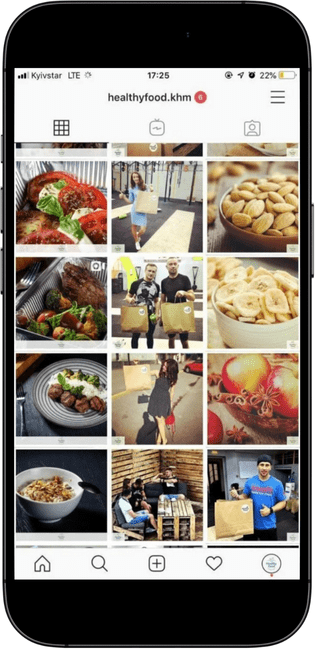
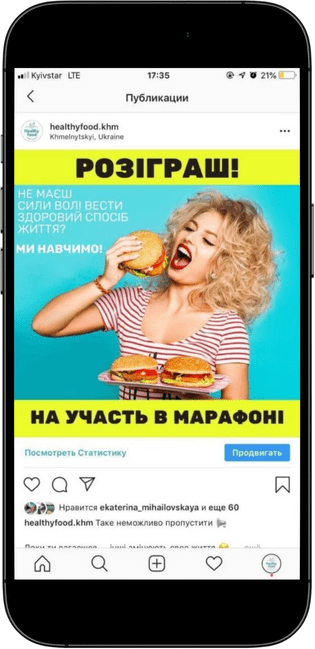
Goal of Stage 2 (Transformation): To fundamentally change the approach to content to increase engagement, expand reach, and directly impact loyalty, and consequently, conversion to orders.
New Strategy and Changed Approaches (Stage 2)
To achieve this goal, a new content strategy was developed and implemented, based on the following key changes:
Video Content: Process Demonstration and Social Proof
The most significant change was the focus on video content (Reels/Stories/Short Videos), which, according to the new logic, made up to 60% of the total volume of publications.
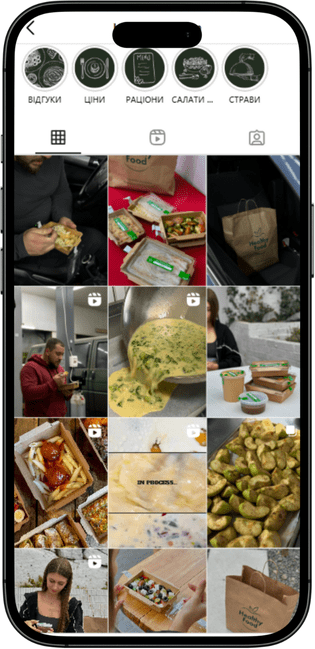
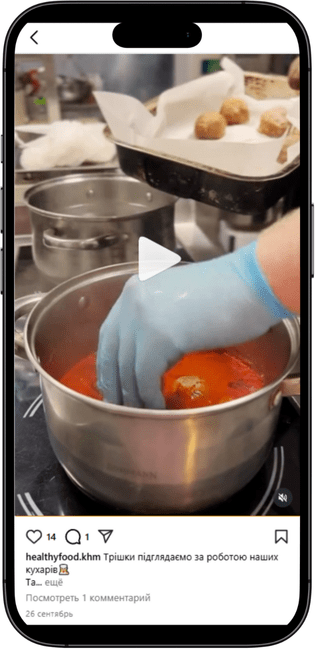
Types of Video Content
- “Behind the Scenes” of Production: Videos showcasing clean kitchens, the process of cutting fresh ingredients, meal preparation by the chef, and packaging. Impact: Builds trust, confirms quality, freshness, and professionalism, and addresses doubts about “artisan” production.
- Video Testimonials (Real-Time Reactions): Short, dynamic videos where real people (clients, bloggers, office workers) try the food and react emotionally to the taste. Impact: Creates strong Social Proof, conveys emotions that cannot be done through text. Increases content virality.
- Life Hacks/Tips: Short, useful videos about a healthy lifestyle, nutrition advice, and myth-busting. Impact: Positions the brand as an expert, increases loyalty and attracts followers looking for useful content.
Result of Video Focus: The launch of regular Reels/Shorts led to a 185% increase in average organic reach on Instagram and a 90% increase in profile visits compared to Stage 1.
Transformation of Static Posts: Emotion and Appetizing Look
The remaining static content (photos and carousels) also underwent qualitative changes:
- Visual Brightness and Saturation: Transition from minimalistic and dry photos to bright, saturated shots emphasizing texture, colors, and the appetizing look of the food. Adding props that evoke associations with comfort and freshness.
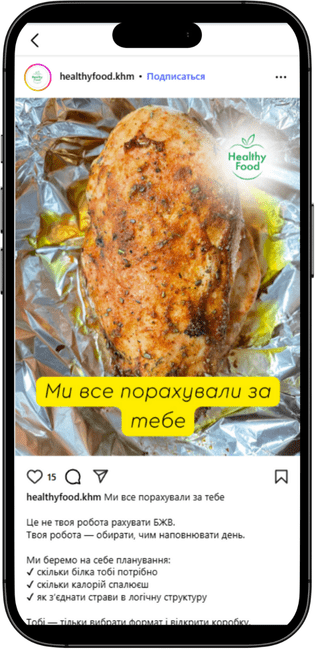
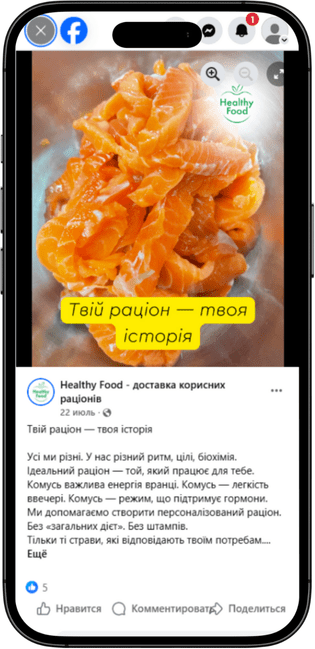
- Emotional Copywriting: Change in communication tone. Texts became less formal, more focused on solving the client’s “pain points” (“Saving time,” “Tastes like a restaurant,” “Effortless lightness without compromise”). Focus on the end result (well-being, energy), not just the process.
Focus on Facebook: Community Management and Sales
On the Facebook platform, in addition to reposting key video content, work was intensified with:
- Targeted Advertising: Using the most successful, emotionally saturated video testimonials as advertising creatives.
- Communication in Comments: Prompt and emotional responses to questions, creating a feeling of live communication.
 The result obtained