МИ ПРАЦЮЄМО ДЛЯ УКРАЇНИ
 Input data
 Progress of work
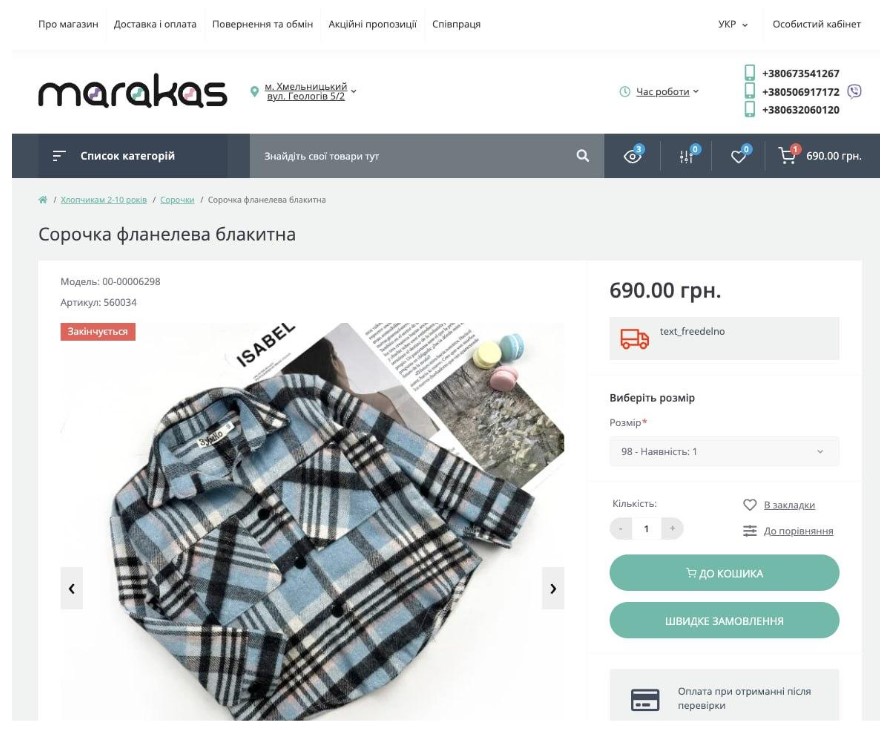
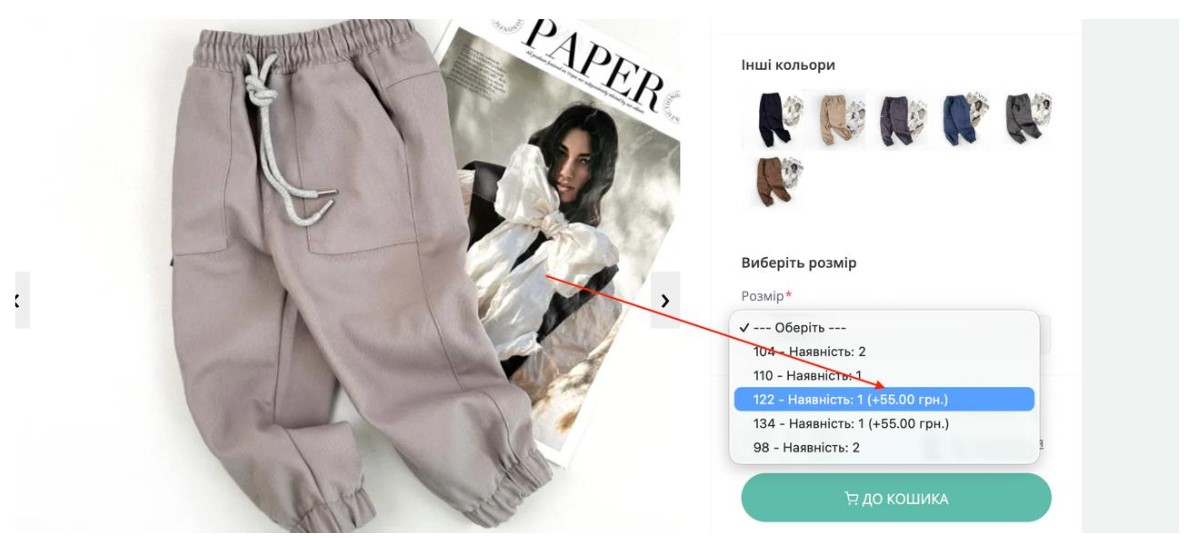
This is what an ordinary product page on the Marakas site looked like — and it was pages like this where the whole suspension story began.
What Google actually saw
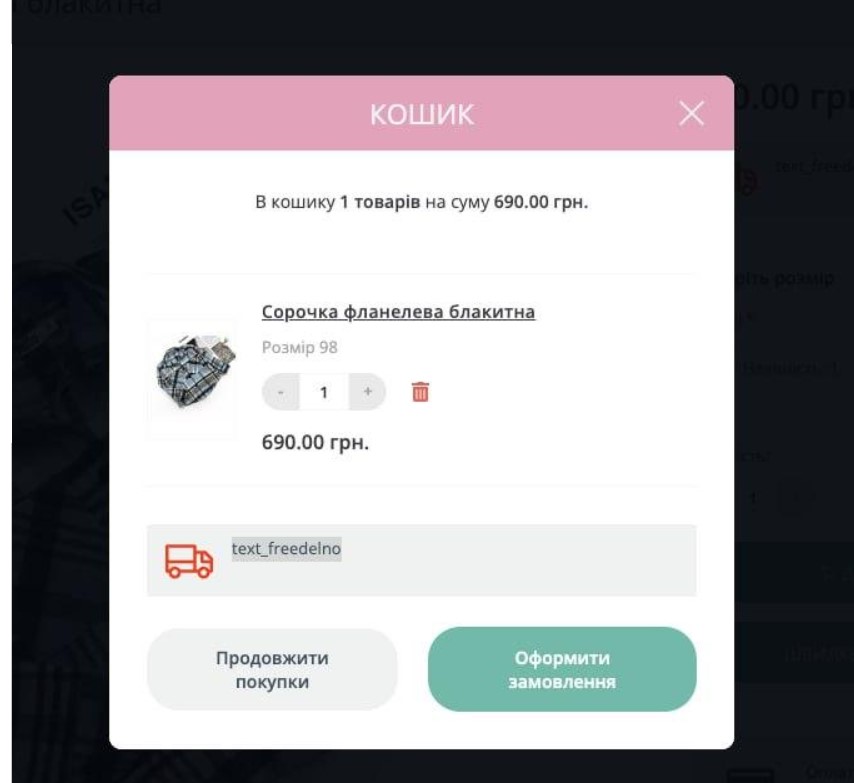
We analysed the account and found the official reason for the suspension from Google — the “Inaccurate availability” category, meaning a mismatch in product availability between the product page and checkout. At first glance the problem was not obvious: the product was in fact in stock, it could be added to the cart and the order could be placed.
The answer turned out to be a small detail that is easy to miss: on the product page no size was selected by default — the dropdown showed “— Choose —”. Google’s bot, which checks products the same way a real customer does, saw an empty size selection and recorded the product as unavailable for purchase — even though the item was in stock in the warehouse.
Two scenarios instead of guesswork
Since there can be a dozen reasons for a GMC suspension, we mapped out two scenarios straight away rather than start changing everything at random. The first: fix the default size auto-selection and check whether that closes the problem entirely. The second, as a fallback: if the first did not work, go through the other typical causes — bot protection that can block Google, feed links pointing to redirects, the reliability of the availability request when adding to the cart, the feed update schedule, hosting limits, the option to check out without registering, page caching and delivery settings.
Before making any changes, we captured the state of the site — files, database, configurations — so that everything could be rolled back if needed, with no risk to the shop.
The fix and the appeal
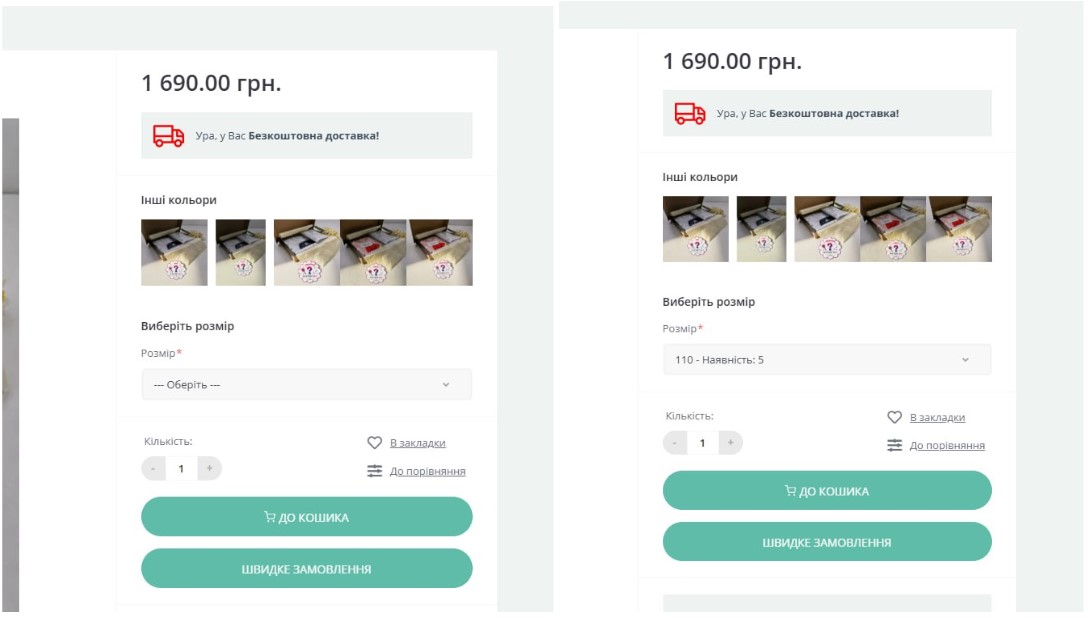
We made the product page select a size that is genuinely in stock automatically — product pages now add the required parameter to the address themselves (?size=…), and the “Add to cart” button becomes active straight away. Google’s bot no longer sees an “empty” size selection; it records the product as available for purchase, exactly as a real customer would.
We manually tested several products to confirm that the whole customer journey — from the product page through to checkout — works correctly across different sizes, and then submitted a request for review in Merchant Center explaining exactly what had changed.

 Obtained result